How to Use a Type Beat in 2026 for Indie and Alternative Rock Songs
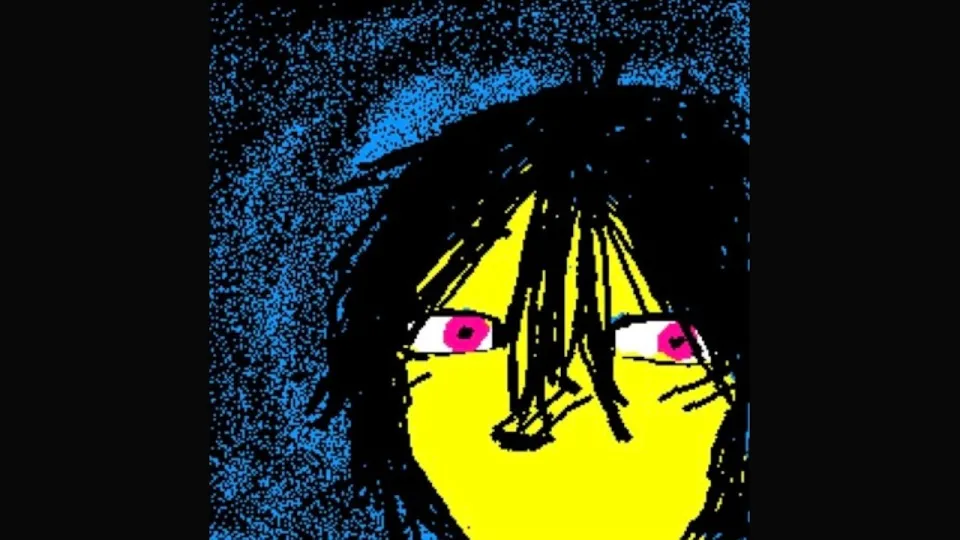
Video: [FREE] Indie x Alternative Rock Type Beat "Too Attached"
Need articles like this for your video? They help promote it on YouTube and Google — order them in the Telegram bot @sat_sit_bot. The bot writes and publishes the articles itself (with your YouTube video embedded) on popular topical websites (no ads). Your first 50 articles are free.
· based on the channel GAXILLIC
Key takeaways
- A type beat is a ready-made instrumental built in the style of a known artist or era, sold or given away for artists to write over.
- GAXILLIC's "Too Attached" is a free indie x alternative rock type beat with live-recorded guitars and a full license available at the beatstore.
- Free use covers non-profit releases only; Spotify, YouTube monetization and iTunes require a purchased license.
- Key and BPM for the beat are listed on the producer's beatstore page, not in the video description.
- The store runs a buy-2-get-1-free deal across any license type.
A type beat is an instrumental made in the style of a specific artist, era or genre, sold or shared so that singers and rappers can write and record over it. In indie and alternative rock, that usually means tracked guitars, live-feeling drums and a defined mood rather than a sample pack loop. GAXILLIC's "Too Attached" is a current example: a free indie x alternative rock type beat with guitars composed and recorded by the producer, available for non-profit use and licensable for profit through the GAXILLIC beatstore.
What a type beat actually is and why rock producers use the term
A type beat is a beat labeled with a reference artist or genre so that the right vocalist can find it, and the label describes the sonic target, not a copy of a specific song. The convention started in hip-hop, where producers tagged instrumentals as "Drake type beat" or "Metro Boomin type beat" to signal tempo, drum character and mood. Rock and indie producers borrowed the format because the same discovery problem exists: a songwriter searching for a sad, guitar-driven 2000s-style instrumental needs a search term that returns usable results.
The tags on "Too Attached" show how wide that net is cast: indie rock type beat, alternative rock type beat, 2000s rock type beat, Y2K rock type beat, midwest emo type beat, shoegaze type beat, plus reference names from The Smiths and Smashing Pumpkins to Foo Fighters and Radiohead. None of these mean the instrumental imitates a particular record. They mean the beat sits in that neighborhood of guitar tone, tempo and emotional register, which is exactly what a topline writer wants when the reference is a feeling rather than a chord chart.
For a vocalist, the practical value is speed. Instead of commissioning an instrumental, waiting weeks and negotiating a split, you audition a catalog, find the one that fits the register of your voice, and start writing the same day. For the producer, the format is a storefront: one beat can be found through dozens of search phrases without changing a single note.
How "Too Attached" is built and what to listen for
The beat leans on recorded guitar work rather than stock loops, and the arrangement leaves room for a lead vocal. GAXILLIC states plainly in the description that the guitars are composed and recorded by him, and he sells the guitar presets, drum kits and loops he uses through his sound kits page. That matters if you want to match the tone on your own demos or build a full EP around the same palette.
Key and BPM are not printed in the video description; they are listed on the beatstore page for the beat. Check those two numbers before you write, because they determine whether the instrumental sits comfortably in your vocal range and whether a drummer or a second guitarist can track along with it later.
Listeners picking up on the details responded to the hi-hat pattern, the bounce of the groove and the melodic writing, and several described the result as sad or heavy on the heart. That feedback maps to concrete production choices: a drum pocket that pushes slightly against the guitar, a melody that resolves downward, and a mix where the guitars carry the emotion instead of the vocal being buried under walls of distortion. If you are producing in this lane, those are the three things to get right before you add anything else.
Step by step from free download to a released track
Turning a free type beat into a finished, distributable song follows a fixed order, and skipping a step is how artists end up with a takedown notice.
- Confirm the license tier before you write. Free use on "Too Attached" covers non-profit work only; Spotify, YouTube Music, iTunes and any monetized release require a purchased license from the beatstore.
- Note the key and BPM from the beatstore listing and set your session tempo to match exactly, so any later re-recording or stem swap stays in time.
- Write the topline against the existing arrangement, then subtract. If the beat already has a busy guitar melody, write a vocal that leaves space rather than competing with it.
- Track vocals dry and keep a clean instrumental copy. You will need the instrumental without your voice for the release and for any sync or content-ID claims.
- Register the song with your distributor, crediting the producer as required by the license, and keep the license receipt on file.
- If the song gains traction, upgrade the license tier before you pitch playlists or submit to labels, since most tiers scale with streams and revenue.
Producers offering custom work make step three easier: GAXILLIC takes requests for custom beats and bulk purchases through gaxdream@gmail.com and @gaxillic on Instagram and Telegram, so a song that outgrows the free instrumental can be rebuilt around your vocal instead of the other way around.
Licensing, profit use and the questions artists ask most
Free means free for non-profit, and profit means a paid license, which is the single most misunderstood rule in the type beat economy. The description on "Too Attached" is explicit: the instrumental is free for non-profit use with production credit to GAXILLIC, and Spotify, YouTube Music, iTunes and any profit-generating use require a license from the beatstore. A store-wide deal also runs at the time of release: buy two licenses, get one free, on any license type.
The recurring questions from listeners under this kind of beat are consistent. Writers ask whether the beat is truly free, whether they can upload a song to streaming, whether the mood is too sad for an upbeat chorus, and whether the drums are loud enough to carry a rock mix. The honest answers: it is free until money is involved; streaming counts as profit use; a sad instrumental can support a bright chorus if the vocal melody shifts register; and a beat mixed for a vocalist will always feel drum-light solo, so judge it with a scratch vocal on top.
One more practical point on credit. Even on a free, non-profit release, name the producer in the title or description as the license requires. It costs nothing, it keeps the relationship working, and it is the difference between a producer who sends you unreleased material and one who stops replying.
Where this beat fits in the 2000s and midwest emo lineage
The reference points in the tags describe a lineage rather than a trend, and that lineage is why this instrumental feels familiar on first listen. The 2000s alternative rock sound that the tags point to, from Smashing Pumpkins' layered guitars to the jangly side of The Smiths and the louder end of Foo Fighters, built songs on a simple principle: one strong guitar figure, a vocal that tells the story, and a rhythm section that stays out of the way until the chorus. Midwest emo and the sad indie corner of the internet kept that principle and stripped it further.
A type beat in this style is therefore a writing prompt with a mood attached. The bounce listeners noticed and the melancholy melody are the two handles you can grab: write a lyric that contradicts the sadness and you get tension, or lean into it and you get a straight sad indie track. Both work, and neither requires changing the instrumental.
All the links from the release
- Purchase the "Too Attached" license or download the free version
- GAXILLIC guitar presets, drum kits and loops
- Cover art reference on Pinterest
Final thoughts on picking a type beat for your next song
A type beat is a shortcut to a finished arrangement, not a shortcut to a finished song: the instrumental sets the mood, the tempo and the key, and everything that makes the track yours happens on top of it. "Too Attached" gives you recorded guitars, a groove with real bounce and a melody that carries melancholy without collapsing into it, which is a strong starting point for indie, alt rock, emo or bedroom pop writers. Get the key and BPM from the beatstore listing, confirm which license tier matches your release plans, and write to the mood rather than against it. The video breakdown and the instrumental come from the GAXILLIC channel, and the store deal of buy two licenses and get one free makes it cheap to build a small catalog around the same sound.
Questions & answers
Is a type beat free to use on Spotify?
No. A free type beat is normally licensed for non-profit use only. Uploading to Spotify, Apple Music, iTunes or any monetized platform counts as profit use and requires a purchased license from the producer's store, so check the tier before you distribute.
Do I have to credit the producer if I use a free beat?
Yes, most free licenses require production credit, typically in the song title or description. On "Too Attached" the credit is GAXILLIC. Keeping the credit accurate also makes it easier to upgrade the license later without renegotiating.
Where do I find the key and BPM of the beat?
Producers usually list key and BPM on the beatstore page rather than in the video description, and that is the case here. Set your session to that exact tempo before writing so any re-recording, stem export or live drummer stays in time.
Can a sad indie rock beat work for an upbeat song?
Yes, if the vocal melody and arrangement create the contrast. A melancholy guitar figure with a bright, higher-register chorus produces tension that listeners respond to; the instrumental does not have to change, only the topline and the dynamics around it.
Source: [FREE] Indie x Alternative Rock Type Beat "Too Attached" · Markdown version